Cupping therapy gained widespread attention during the 2016 Summer Olympics when athletes like Michael Phelps appeared with circular marks on their shoulders and backs. While the marks surprised many viewers, they were not injuries. They were the result of cupping therapy, a practice used for centuries in traditional and integrative medicine.
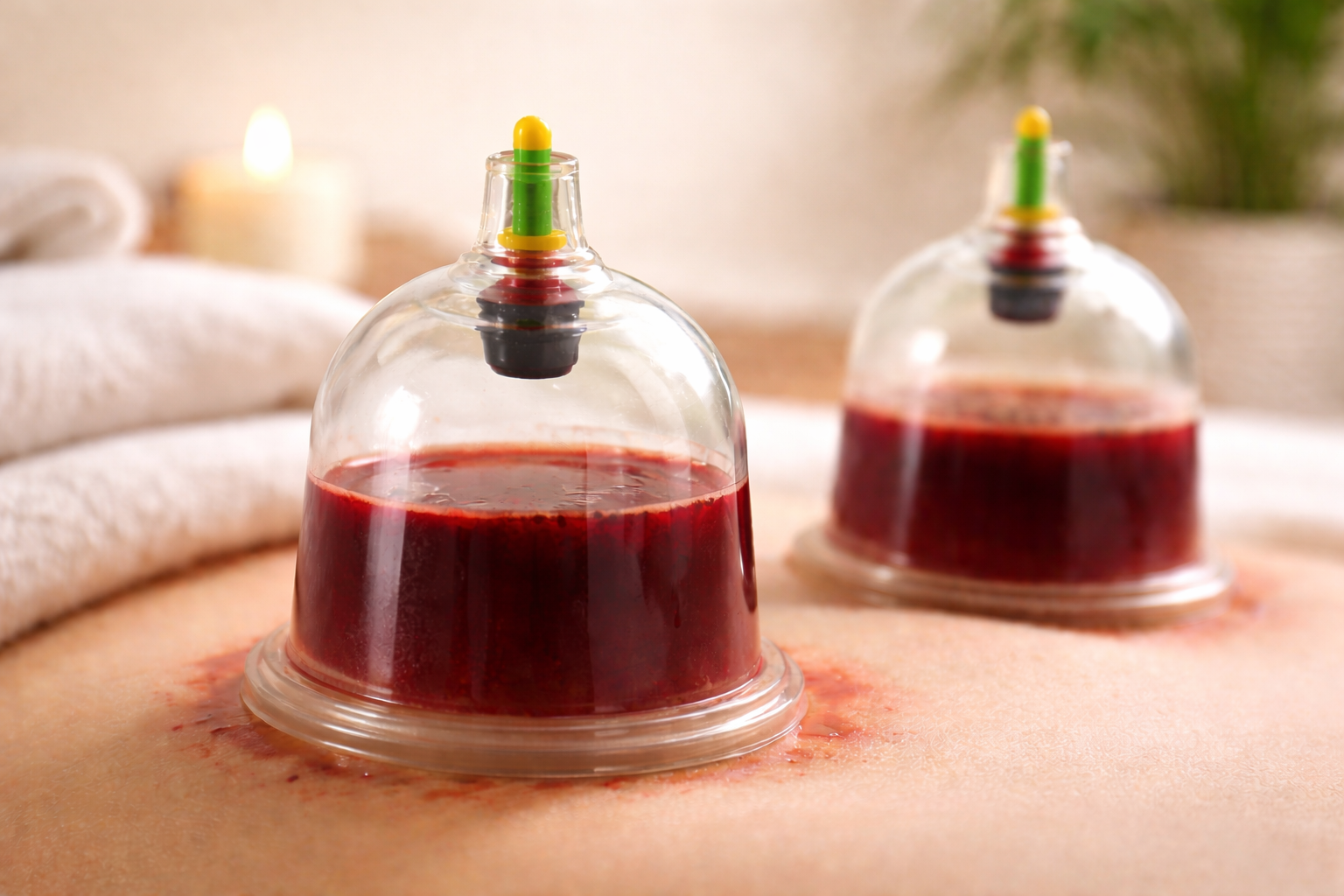
Despite its long history, wet cupping therapy, also known as hijama, is still unfamiliar to many people in Western healthcare. This has led to questions about its effectiveness and scientific support.
Many conventional healthcare providers are hesitant to recommend cupping therapy because it does not fit neatly into the standard model of medical research. Most treatments are evaluated using randomized, double-blind, placebo-controlled trials. This approach works well for medications but is difficult to apply to hands-on therapies like cupping.
Cupping cannot be placed into a pill form or compared to a true placebo, which makes traditional research methods challenging. As a result, cupping is often overlooked despite growing clinical interest and patient-reported benefits.
While more large-scale studies are needed, there is a growing body of research supporting the use of cupping therapy. A search of medical databases such as PubMed reveals hundreds of studies examining cupping in a variety of conditions.
Research suggests that cupping therapy may support:
Some studies comparing venous blood to blood collected during hijama have shown higher levels of metabolic waste products in the hijama blood, suggesting a potential detoxifying effect. These findings continue to be explored in ongoing research.
Cupping works by creating suction that increases local blood flow and stimulates the body’s natural healing response. This increased circulation may help relax tight muscles, support tissue repair, and reduce pain. Many patients also report a sense of relaxation and improved well-being after treatment.
Cupping therapy is most effective when combined with healthy lifestyle changes and performed by trained and certified practitioners.
Cupping therapy is a safe and time-tested approach to supporting overall health when used appropriately. While the circular marks may be temporary, they reflect a commitment to addressing health through holistic and integrative methods.
For those seeking natural ways to support pain relief, circulation, and overall wellness, cupping therapy may be a valuable addition to a personalized health plan.